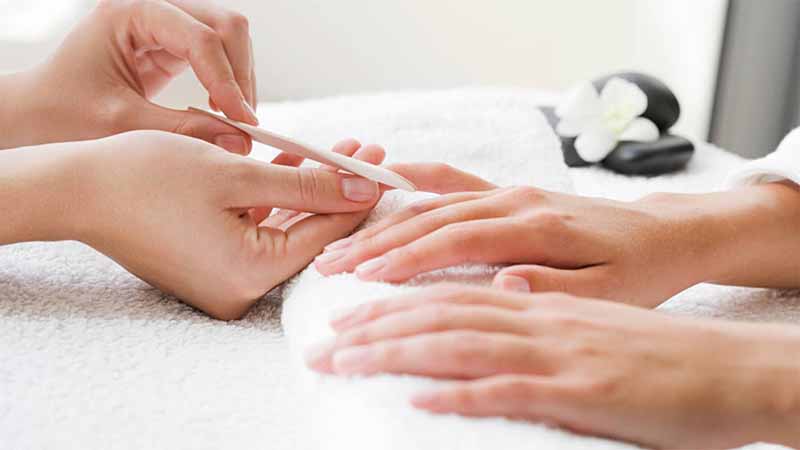

There is something undeniably special about a professional salon manicure. It’s not just about the polish—it’s about the entire experience: the careful preparation, the expert technique, and the lasting results that simply cannot be replicated at home.
A salon manicure is a structured treatment that goes far beyond a simple polish change. It involves a series of precise steps designed to shape, strengthen, and perfect your natural nails. Here is exactly what happens during a professional salon manicure and why it is worth the investment.
Step 1: Shaping the Nails
The manicure begins with shaping. Your technician will assess your natural nail shape and work with you to choose a style that complements your hands and lifestyle.
Using a fine‑grit nail file, the technician files your nails to the desired length and shape. The key here is precision: filing in one direction only, never sawing back and forth, to prevent micro‑tears that lead to peeling. The technician also ensures all nails are uniform in length and shape, creating a balanced, polished look.
The most common shapes offered in salons are squoval (a square with rounded corners), oval, almond, and round. The technician will also smooth the edges to prevent snagging.
Step 2: Pushing Back Cuticles
Next comes cuticle care—a step that is often rushed or skipped at home. The technician will apply a cuticle‑softening gel or soak your fingertips in warm water for a few minutes.
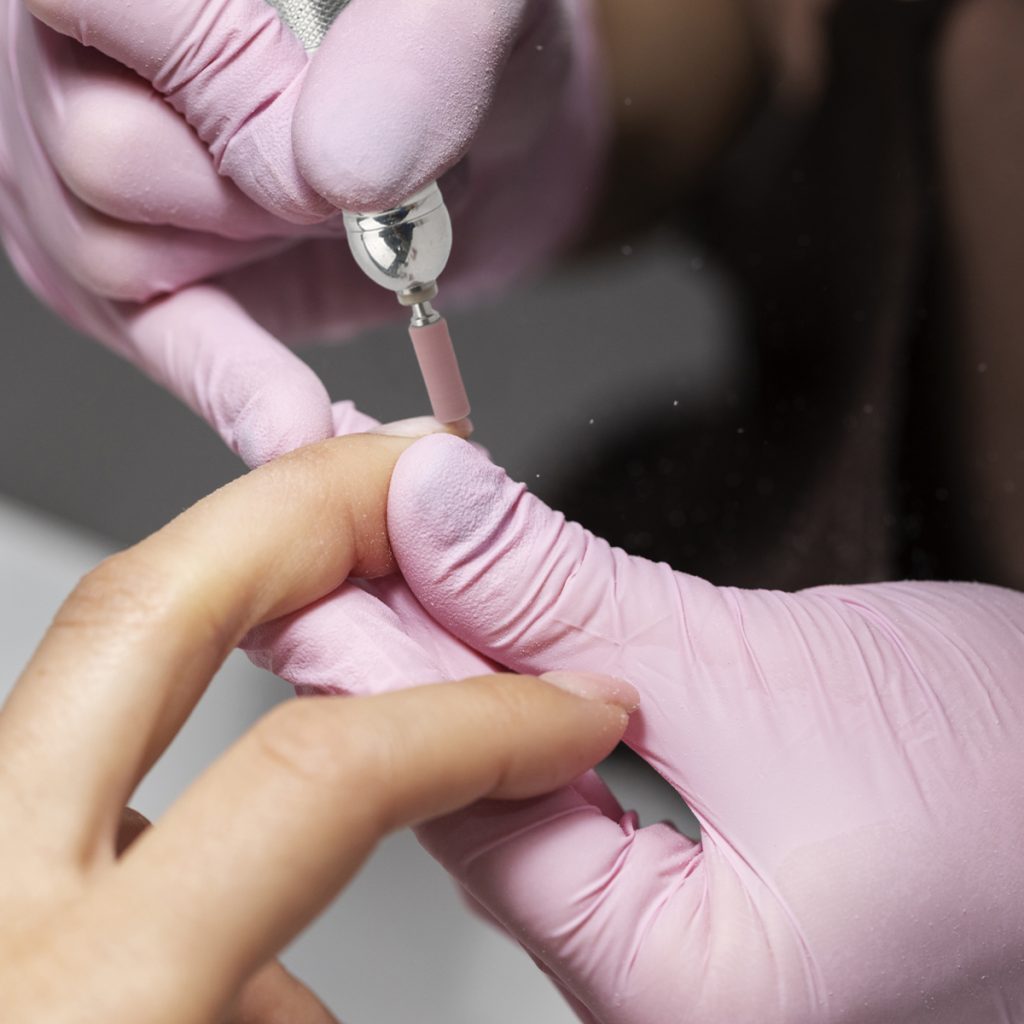
Using a wooden cuticle pusher or a rubber‑tipped metal pusher, the technician gently pushes the cuticle back from the nail plate. This exposes the entire nail surface and creates a clean, smooth canvas. Any loose, dead skin is carefully removed with a precision nipper, but the technician never cuts into the living skin, preserving the protective seal around your nail.
Step 3: Buffing the Nail Surface
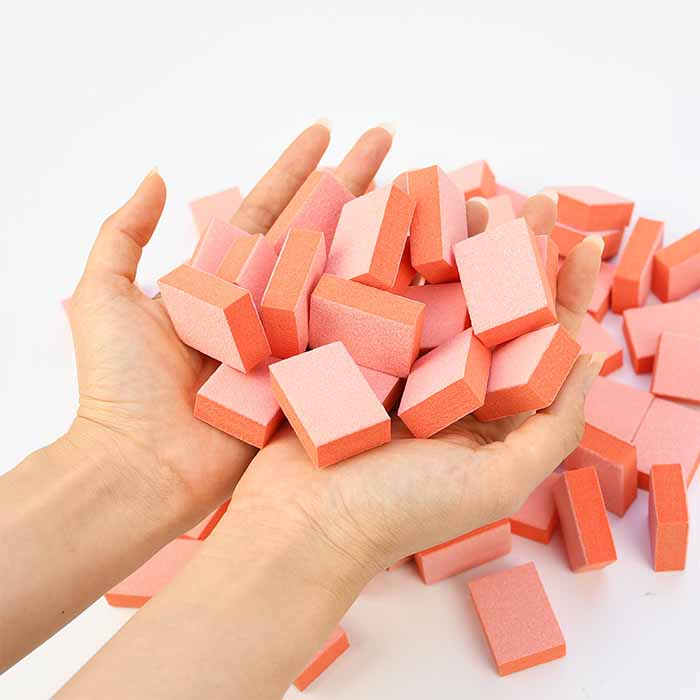
The next step is gently buffing the nail surface. Using a fine buffer block, the technician lightly buffs the nail plate to remove the natural shine and create a slightly textured surface. This helps polish adhere and promotes a smooth, even finish. The technician also smooths any ridges, ensuring the polish glides on without bumps.
Important: This is a gentle pass, not aggressive sanding. Over‑buffing is a common mistake at home—salon professionals know exactly how much pressure to apply.
Step 4: Applying the Protective Layer
Before any colour, a protective base coat is applied. The technician applies a thin, even layer of base coat, being careful to avoid the cuticles and sidewalls. The base coat prevents staining, creates adhesion, and provides a smooth foundation.
The technician also “caps” the free edge—running the brush along the nail tip—to seal it and prevent chipping. This attention to detail is one of the key differences between salon and at‑home manicures.
Step 5: Applying the Polish
The final step is the polish application. The technician applies two thin coats of your chosen colour, allowing each to dry between coats. The thin layers dry faster, level out more evenly, and are less prone to chipping.
The technician then applies a top coat to seal everything in, add shine, and extend wear. The free edge is capped again, locking the colour in place. This meticulous layering is what gives salon manicures their professional, long‑lasting finish.
Essential Pre‑Manicure Considerations
A professional manicure is a safe and enjoyable experience when you follow a few key guidelines. Before your appointment, remove any old polish at home to save time. Arrive with clean, dry hands so your technician can start your treatment right away. It is also a good idea to avoid applying lotion or cuticle oil right before your appointment, as it can make the polish less likely to adhere. Be ready to communicate your preference for nail length and shape—your technician can guide you, but it helps to have an idea of what you want.
Most importantly, speak up if you have any allergies or sensitivities to nail products. It ensures your manicure is tailored to your needs and prevents any irritation.
The Benefits of a Salon Manicure
A professional salon manicure offers numerous advantages over doing it yourself.
Professional expertise. A skilled technician has trained hands and an eye for detail. They can spot and address issues you may not notice, such as ridges, thinning, or early signs of infection. They also have the experience to handle different nail types and conditions, ensuring a safe and beautiful result.
High‑quality products. Salons use professional‑grade products that are formulated for superior performance, durability, and safety. These products are less likely to cause staining, peeling, or chipping.
Sterilised tools. Professional salons follow strict hygiene standards. Tools are sterilised between clients, reducing the risk of bacterial or fungal infections. This level of sanitation is difficult to achieve at home.
Long‑lasting results. A salon manicure lasts longer—typically 7‑10 days without chipping, and gel manicures can last 2‑3 weeks. The combination of proper preparation, thin layers, and professional products extends the life of your manicure significantly.
Stress relief. There is a therapeutic element to a salon manicure. The hand massage, the quiet environment, and the dedicated time to yourself contribute to reduced stress and improved well‑being.
Professional advice. A technician can assess your nails and offer recommendations for maintenance, products, and care routines tailored to your nail type and concerns.
A flawless finish. The polish is applied with precision, with clean edges and a perfect shine. The result is a professional, polished look that makes you feel put‑together.
The Bottom Line
A professional salon manicure is an investment in the health and beauty of your hands. It combines expert technique, high‑quality products, and a relaxing experience that goes beyond what you can achieve at home. Whether you opt for a classic polish or a long‑lasting gel, the result is a flawless finish that lasts. Treat yourself to the care your hands deserve.