
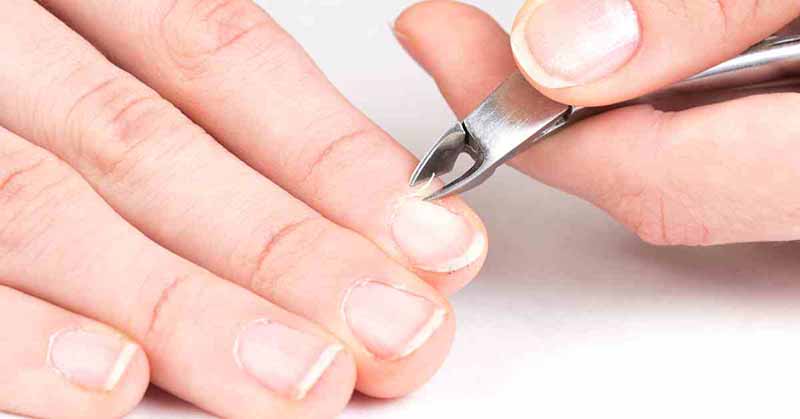

I still remember the moment I realised I had been treating my cuticles all wrong. For years, I diligently snipped away at every bit of skin around my nails, chasing that “clean” look I saw in salon photos. The result? Ragged edges, bleeding, infections, and cuticles that grew back thicker and tougher each time.
A nail technician stopped me mid-snip and said, “You’re cutting off your nails’ armour. Would you cut the seal off a jar and wonder why it leaks?” That moment changed everything.
Why Cuticle Care Matters in a Manicure?
The cuticle is a thin layer of dead skin that sits on the nail plate, forming a protective seal. It prevents bacteria, moisture, and irritants from entering the nail matrix—the living tissue where new nail cells are born. When that seal is intact, your nail grows smoothly and stays healthy. When it is broken, problems follow.
In a manicure, proper cuticle care serves several purposes. It creates a clean, smooth canvas for polish application, ensuring the polish adheres properly and lasts longer. It prevents lifting at the cuticle edge, which is one of the most common reasons manicures fail. And it promotes healthy nail growth by keeping the matrix protected and nourished.
Push Back or Cut? The Right Approach
This is one of the most common questions in nail care, and the answer is clear: push back, don’t cut.
Cutting the cuticle—especially the living tissue—compromises the natural barrier and leads to infection, bleeding, and tougher regrowth. Many people mistake the proximal nail fold (the living skin) for the cuticle and cut it, which is both painful and harmful.
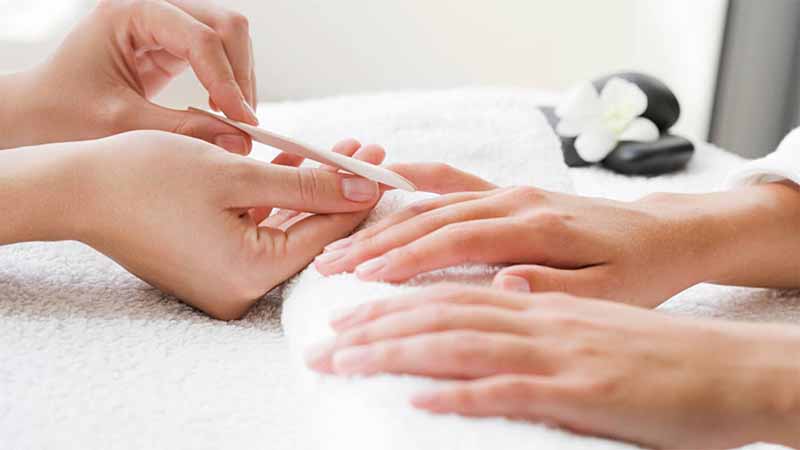
The safer, more effective approach is to push back the cuticle gently. This removes the dead tissue from the nail plate without damaging the living skin. Pushing back the cuticle creates a clean surface for polish while preserving the protective seal.

How to Use a Sanding Band for Cuticle Care?
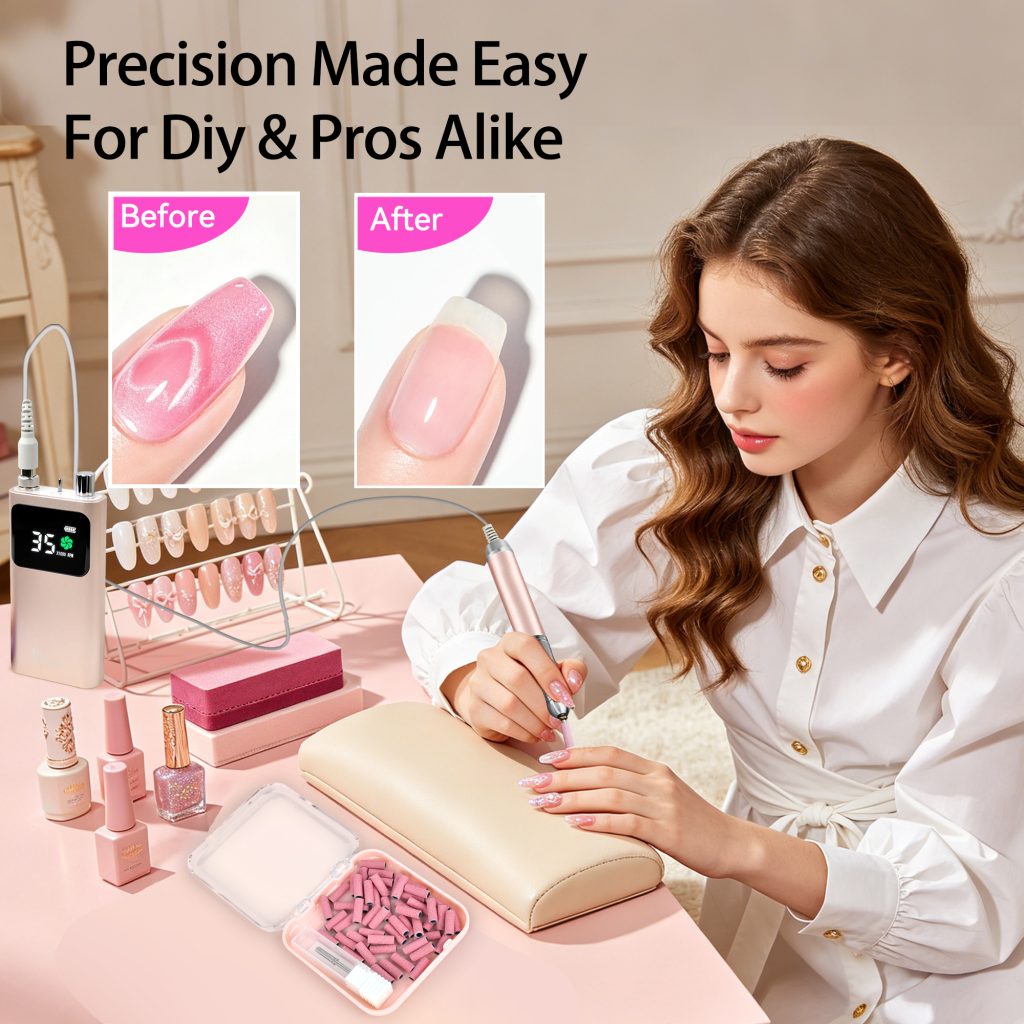
A sanding band on an electric file (e-file) is one of the most effective tools for professional cuticle care. It is a cylindrical abrasive sleeve that attaches to a mandrel and can be used to gently remove dead cuticle tissue from the nail plate.
Choosing the right grit. For cuticle work, always use a fine or extra-fine grit sanding band (180-240 grit). Coarser grits are too aggressive and can damage the nail plate. A fine grit gently removes the dead tissue without thinning the nail or causing trauma to the surrounding skin.
Setting the correct speed. The e-file should be set to a low speed—typically 3,000 to 8,000 RPM. A low speed allows for precise control and reduces the risk of overheating or damaging the nail plate.
The technique. Hold the e-file like a pencil, with a light grip. Rest your pinky finger on the client’s hand or on the table to stabilise the file. Position the sanding band at a 45-degree angle to the nail plate. Gently glide the band over the cuticle area, moving from the sidewall toward the centre of the nail. The movement should be light and controlled—never stay in one spot for more than a second. The goal is to exfoliate the dead tissue, not to file into the living skin.
Clean as you go. After each pass, brush away the dust to check your progress. The nail plate should appear clean and smooth, with no visible cuticle residue. Avoid over-processing the area.
Advantages of Using a Sanding Band for Cuticles
Precision. The sanding band allows for targeted removal of dead tissue without affecting the surrounding skin.
Speed. An e-file is faster than manual tools, reducing the time spent on cuticle care.
Safety. When used correctly, a fine-grit sanding band is safer than nippers or scissors, which can accidentally cut the living tissue.
Consistency. The sanding band provides a uniform result across all nails.
Hygiene. Sanding bands are disposable, reducing the risk of cross-contamination between clients.
Common Causes of Damaged Cuticles
Cutting living tissue. This is the most common and most damaging mistake. Cutting the proximal nail fold compromises the protective barrier and can lead to infection, bleeding, and tougher regrowth.
Using dull tools. Dull nippers or scissors tear the skin instead of cutting it cleanly, leaving ragged edges that are prone to infection.
Over-processing. Aggressive filing or scraping can thin the nail plate and damage the matrix.
Picking and biting. This introduces bacteria and creates uneven tears that become hangnails.
Dryness and neglect. Cuticles have no oil glands of their own. Without regular hydration, they become dry, cracked, and prone to tearing.
Daily Cuticle Care Routine
Hydrate daily. Apply cuticle oil morning and night. Jojoba oil is ideal because it mimics the skin’s natural oils and penetrates the nail plate. Massage a drop into each nail and cuticle.
Use hand cream. Apply a rich hand cream after every wash to lock in moisture.
Push, don’t cut. Gently push back cuticles after a shower or soak, when they are soft.
Wear gloves for wet work. Water and harsh chemicals strip natural oils. Protect your cuticles with gloves.
Avoid picking. If you have a hangnail, clip it flush with clean nippers rather than pulling it.
The Bottom Line
Cuticle care is about maintenance, not removal. The cuticle is your nail’s protective seal, and treating it with respect is essential for healthy nail growth and a flawless manicure. Push back, don’t cut, and use a fine-grit sanding band at low speed for professional, precise results. With consistent care and daily hydration, your cuticles will stay healthy, flexible, and beautiful.
Read also: The Professional Salon Manicure: A Step‑by‑Step Guide to the Ultimate Hand Treatment
[…] Nail Gift Guide: Tools and Festive Design Ideas Cuticle Care: Why, How, and When to Use a Sanding Band The Professional Salon Manicure: A Step‑by‑Step Guide to the Ultimate Hand […]